Illinois is quickly becoming one of the fastest-growing locations for large-scale data centers in the United States. While these facilities power the modern internet, artificial intelligence, and cloud computing infrastructure, they also require enormous amounts of electricity to operate. As more of these facilities are built across the state, energy experts are warning that the rapid growth in electricity demand could significantly impact the average Illinois homeowner’s utility bill.
A recent analysis from the Union of Concerned Scientists suggests that data centers could add up to $37 billion to electricity costs in Illinois over the next 25 years. This surge in demand has the potential to reshape the state’s energy landscape and place additional strain on an already evolving power grid.
For homeowners across Illinois, this shift could mean one thing: higher electricity costs in the years ahead.
Why Data Centers Are Increasing Electricity Demand in Illinois
Data centers are massive facilities filled with servers that store and process digital information for companies around the world. Every search engine query, streaming service, cloud document, and AI computation relies on these facilities to function.
The challenge is that data centers consume staggering amounts of electricity. Large facilities can require as much power as entire small cities because servers must run continuously and be cooled 24 hours a day.
According to the analysis from the Union of Concerned Scientists, data centers could account for 72 percent of Illinois’ electricity demand growth by 2030. That level of demand represents a dramatic shift for a state that has historically produced more electricity than it consumed.
Energy policy experts warn that this growth is colliding with another major change happening in Illinois: the gradual retirement of fossil fuel power plants. As older coal and gas plants leave the grid while new electricity demand enters the system, the balance between supply and demand becomes increasingly strained.
When demand rises faster than supply, energy markets typically respond with higher prices.
Why Illinois Electricity Prices Could Continue Rising
In recent years, Illinois residents have already experienced volatility in electricity pricing. Grid operators across the Midwest have seen price spikes driven by fluctuations in supply and demand, extreme weather events, and aging infrastructure.
The introduction of high-energy consumers like data centers adds another layer of pressure.
Energy analysts explain that when the grid cannot generate enough electricity locally to meet demand, the system must import power from neighboring states. Imported electricity is often more expensive, and those costs are eventually passed on to consumers through higher utility bills.
As a result, the average Illinois homeowner could face steadily rising energy costs as data center development continues across the state.
What This Means for the Average Illinois Homeowner
For homeowners, the growth of energy-intensive infrastructure like data centers introduces a new financial variable: long-term electricity price uncertainty. When demand on the grid increases dramatically, homeowners have less control over the future cost of the electricity they rely on every day.
Many households are already feeling the effects of rising energy costs. Heating and cooling systems, appliances, electric vehicles, and home electronics all contribute to monthly electricity usage. As electricity prices rise, the cost of powering a home rises alongside them.
This is one of the key reasons more Illinois homeowners are exploring ways to generate their own electricity instead of relying entirely on the utility grid.
Why Solar Energy Is Becoming the Smartest Financial Hedge
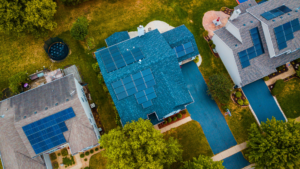
Solar energy allows homeowners to produce electricity directly from sunlight using rooftop solar panels. Instead of purchasing all of their electricity from the grid, homeowners with solar systems generate a portion—or in many cases the majority—of the energy their homes require.
This shift can significantly reduce exposure to rising utility rates.
Solar systems essentially allow homeowners to lock in a predictable energy cost for decades. Instead of paying whatever the utility charges each year, homeowners generate power from their own property and offset a large portion of their electricity bill.
For many Illinois residents, solar has become not just an environmental decision but a financial strategy designed to protect against rising electricity costs.
More information about solar incentives and renewable energy policy can be found through the U.S. Department of Energy and their solar resource hub.
Why Illinois Homeowners Are Choosing Tron Solar
As interest in solar energy grows across the Midwest, homeowners are looking for experienced installation partners who understand the unique energy landscape in Illinois.
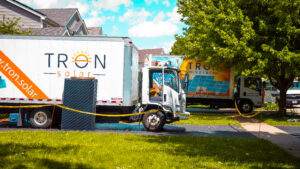
Tron Solar has emerged as one of the highest-rated solar installation companies in the Midwest, helping homeowners transition to solar power while navigating available incentives, financing options, and long-term energy savings.
Because Tron Solar operates locally and focuses specifically on Midwestern energy markets, the company understands how regional grid changes, policy shifts, and electricity demand trends impact homeowners. This experience allows the team to design solar systems that maximize savings while providing reliable energy production for decades.
Many homeowners who install solar systems discover that generating their own electricity dramatically reduces their reliance on the traditional utility model.
The Future of Electricity in Illinois
Data centers are fundamentally reshaping how electricity is consumed across Illinois. As artificial intelligence, cloud computing, and digital services continue to expand, the infrastructure supporting those technologies will require more power than ever before.
While these developments are essential for technological progress, they also create new challenges for the electrical grid and the consumers who depend on it.
For Illinois homeowners, the question is no longer whether electricity prices will fluctuate in the future. The real question is how households can protect themselves from the long-term impact of those fluctuations.
Solar energy provides one of the most effective ways to regain control over household energy costs while reducing dependence on an increasingly strained electrical grid.
See If Solar Makes Sense for Your Illinois Home
Homeowners who want to explore solar energy can learn more by visiting Tron Solar to schedule a free consultation. During this process, homeowners can see how much electricity their home could produce, what incentives may be available, and how solar could reduce their monthly energy costs.
For many Illinois families, generating their own electricity is no longer just a sustainability decision—it is becoming one of the smartest financial decisions they can make in an era of rising energy demand.
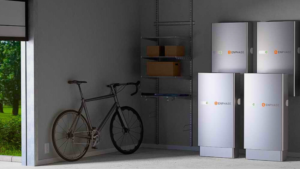 Our battery storage solutions are designed to provide reliable and efficient energy storage for your home or business. With our advanced battery storage systems, you can store excess energy generated by your solar panels or grid power and use it when you need it most.